
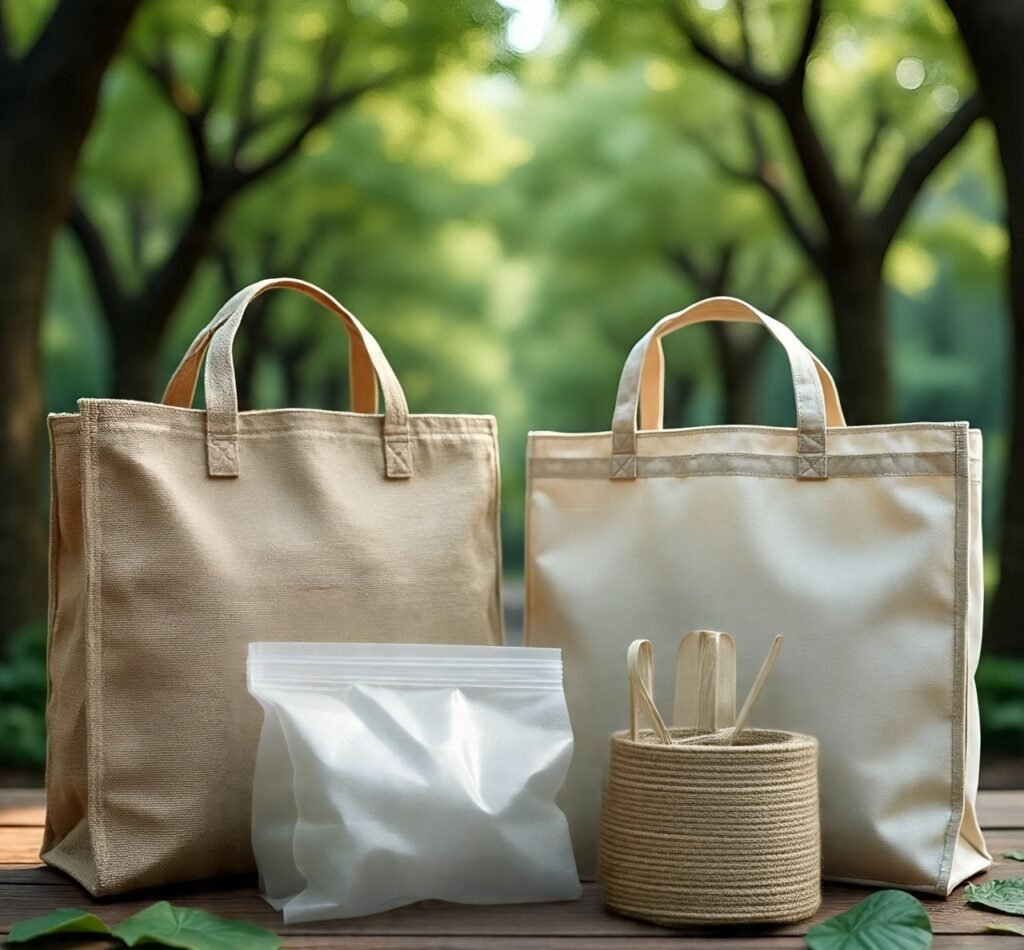
People are looking for better for the environment to avoid single-use plastic bags in the eco-conscious world of today. Although jute, cotton, canvas, and upcycled bags have gained popularity, not all of them are equally environmentally friendly. Each material has unique strengths and environmental impacts. Let’s find out which type of bag is the most eco-friendly and why.
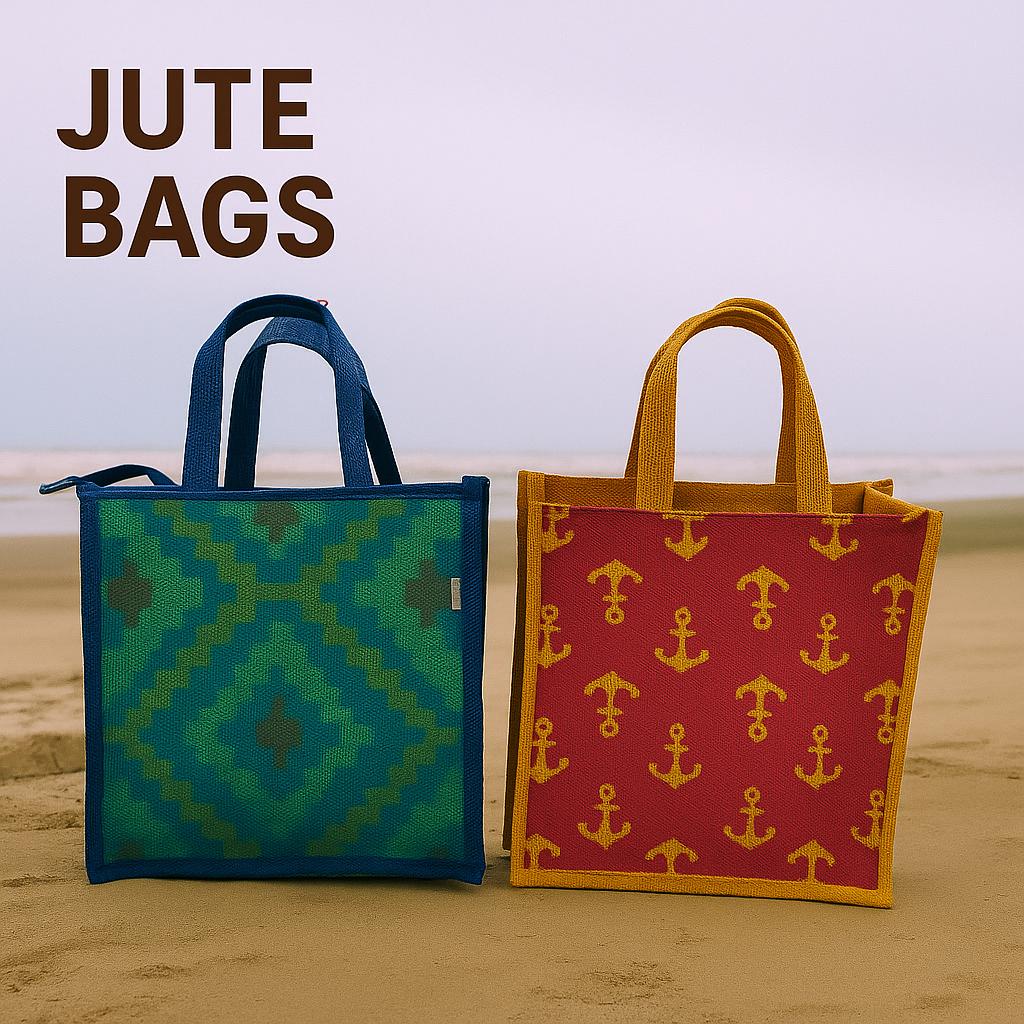
Jute Bags – Better for the Environment.
One of the natural materials that is the kindest to the environment is jute, also known as the “golden fiber.”
Made from: Jute plant fibers that grow easily without chemical fertilizers.
Eco Impact: 100% biodegradable and compostable.
Durability: Strong and long-lasting, suitable for repeated use.
Bonus: Jute plants absorb large amounts of CO₂ and release oxygen, helping the environment.
Best for: Shopping, gifting, and everyday use.
Verdict: One of the best sustainable bag options available.
Canvas Bags – Strong and Reusable.
Canvas is a type of heavy-duty cotton fabric known for its durability.
- Made from: Cotton or linen.
- Eco Impact: More durable than regular cotton but still water-intensive in production.
- Durability: Very strong and ideal for long-term use.
Best for : shopping,gifting,and everyday use.
Verdict: Better than disposable plastic bags, but not as sustainable as jute or upcycled options
Jute, often called the “golden fibre,” is one of the most eco-friendly natural materials.
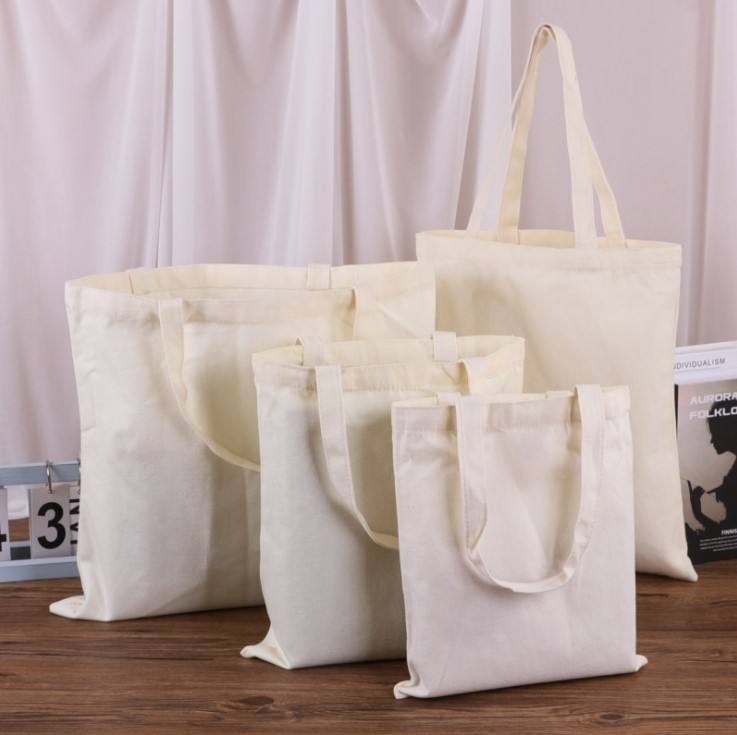
Cotton Bags – Natural and Breathable Material.
Cotton bags are also made from natural fibers, but their production has a hidden cost.
- Made from: Cotton plants, a renewable resource.
- Eco Impact: Requires large amounts of water and pesticides during cultivation.
- Durability: Soft and washable, but wears out faster than jute or canvas.
Note: Organic cotton is a better for the environment ,as it reduces water and chemical use.
Verdict: Eco-friendly, but less sustainable than jute or upcycled materials due to high water usage.
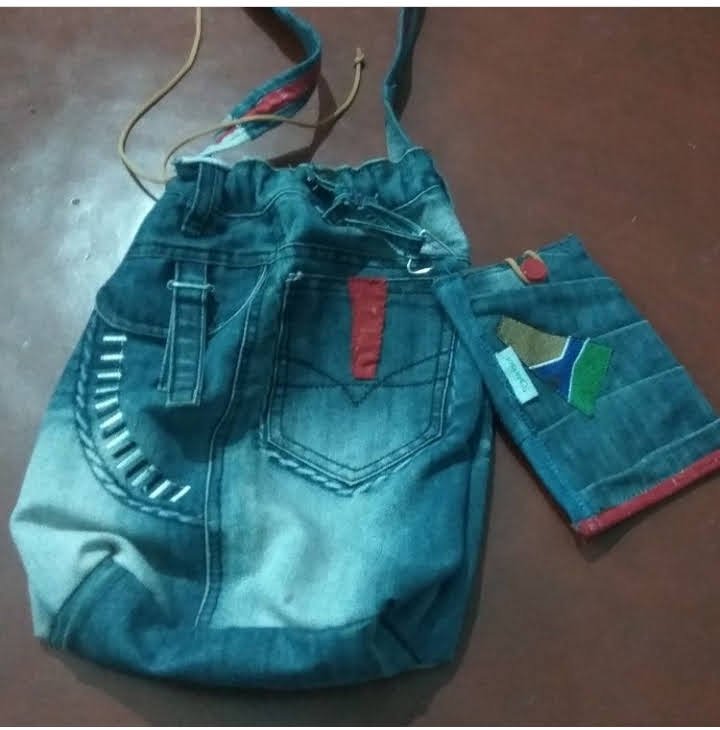
Upcycled Bags – Turning Waste into Value.
Upcycled bags are made by reusing old fabrics, denim, or materials that would otherwise end up as waste.
- Made from: Repurposed materials such as denim, fabric scraps, or banners.
- Eco Impact: Reduces waste, saves resources, and gives new life to discarded items.
- Durability: Each product is unique, sturdy, and stylish.
Verdict: Among the most sustainable options — zero waste, creative, and eco-conscious.
Plastic Bags – The Biggest Environmental Threat.
Plastic bags are convenient but harmful to nature.
- Made from: Petroleum-based materials.
- Eco Impact: Non-biodegradable and take hundreds of years to decompose.
- Durability: Often single-use and easily torn.
- Harm: Pollutes oceans, kills marine life, and clogs soil and waterways.
Verdict: Worst option for the environment — should be completely avoided.
| Type of Bag | Material | Reusable | Bio-degradable | Eco-score (1-5) |
| Jute Bag | Natural fiber. | Yes | Yes | ***** |
| Cotton Bag | Natural fiber | Yes | Yes | *** |
| Canvas Bag | Heavy cotton | Yes | Yes | **** |
| Upcycled Bag | Reused fabric | Yes | Yes | ***** |
| Plastic Bag | Synthetic | No | No | * |
How to Reduce Plastic on Earth.
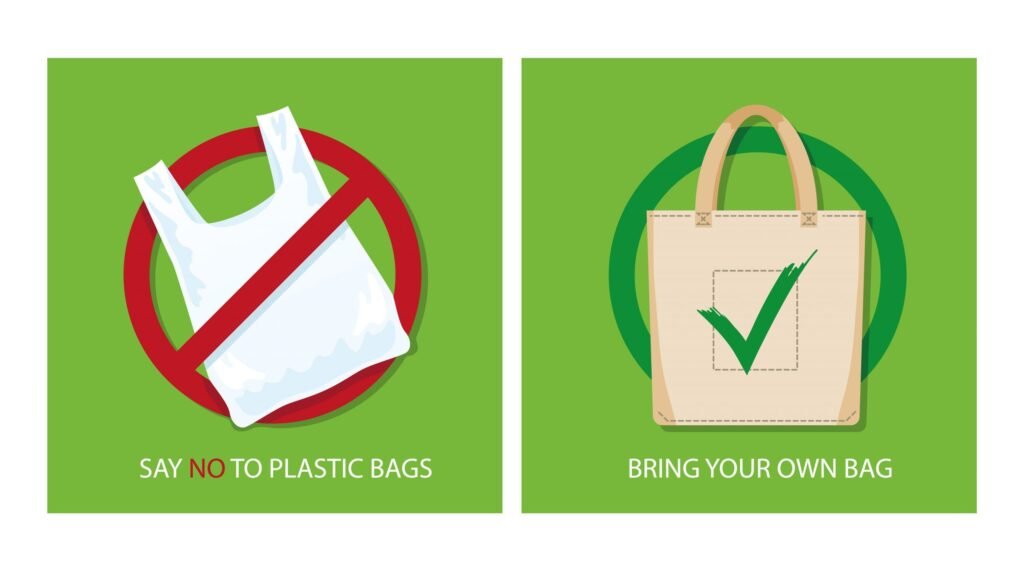
Choose jute, cotton, or upcycled bags instead of plastic bags. They are durable, reusable, and biodegradable , making them a perfect alternative for shopping or storage.
JuteKnot promote sustainable living through handmade jute and upcycled products that replace plastic bags beautifully.
Conclusion
When it comes to sustainability, jute and upcycled bags clearly lead the way. They are durable, biodegradable, and promote zero waste living. Cotton and canvas are good alternatives if produced organically, while plastic bags should be avoided altogether.