
Sustainability has been deeply rooted in India’s way of life for thousands of years. When we look at how sustainability is included in Indian history, culture, and tradition, it becomes clear that environmental responsibility was not a modern trend—but a natural, everyday practice.
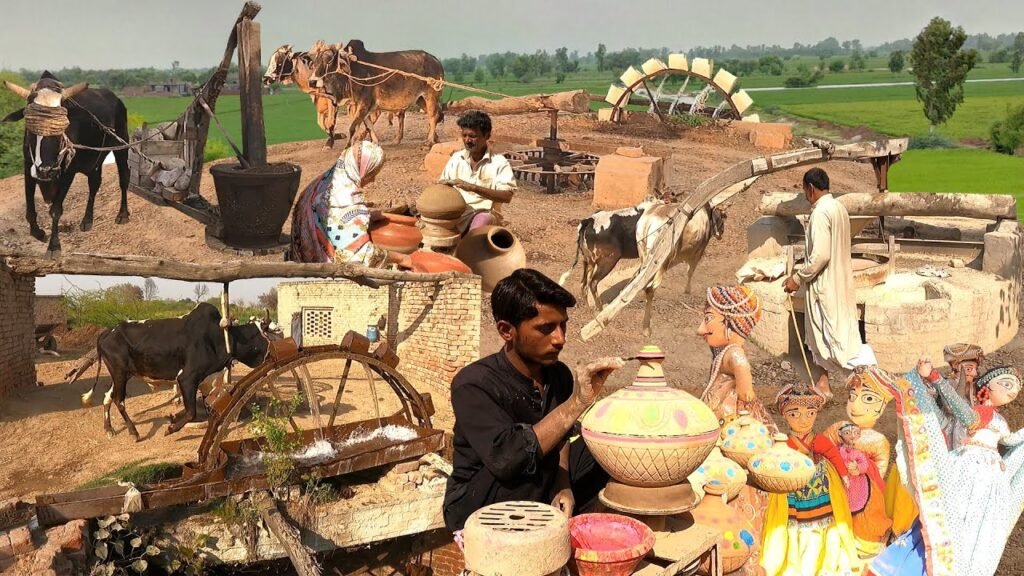
1. Sustainability in Indian History
When we study how sustainability included in Indian history, we find that ancient civilizations designed systems that protected nature and resources.
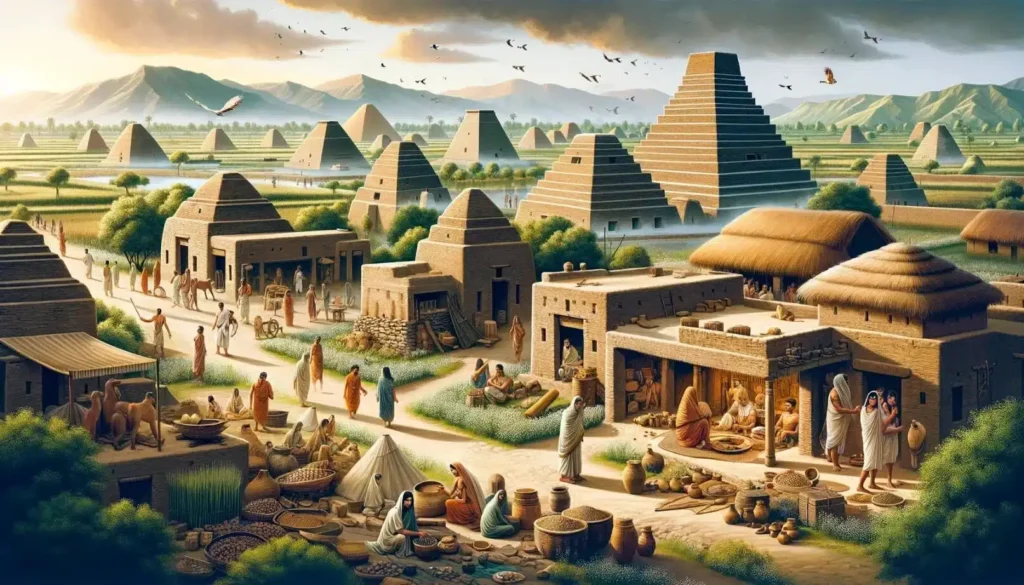
Indus Valley Civilization
- Advanced drainage and waste management
- Rainwater harvesting
- Cities built with natural materials
These systems show that sustainability included in Indian history right from the earliest settlements over 4,000 years ago.
Sustainability in Indian Culture
Cultural values made environmental care a moral duty.
Nature as Sacred
- Rivers, forests, mountains worshipped
- Sacred groves preserved biodiversity
- Animals treated with respect
This cultural mindset shows how sustainability was seen as a responsibility, and reflects how sustainability included in Indian history through belief systems.
Minimal Consumption
Concepts like Aparigraha (non-possessiveness) encouraged :
- Simple living
- Low waste
- Mindful use of resources
This proves that sustainability wasn’t taught—it was lived.

Sustainability in Indian Traditions
Traditional lifestyles created natural ecological balance.
Eco-Friendly Daily Practices
- Clay and copper utensils
- Bamboo and jute products
- Handloom textiles and natural dyes
These materials were reusable and biodegradable, supporting how sustainability is included in Indian history shaped traditional living.
Traditional Architecture & Crafts
- Mud and bamboo homes
- Natural cooling and ventilation
- Local craftsmanship
This reduced energy use and supported local economies. Sustainability is included in indian history archieteture.

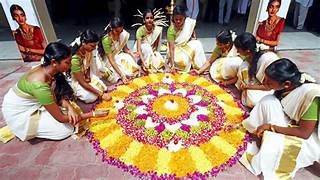
Festivals & Food Practices
- Earthen lamps and flowers
- Banana-leaf plates
- Seasonal and plant-based diets
Traditions encouraged reuse, sharing, and respect for nature.

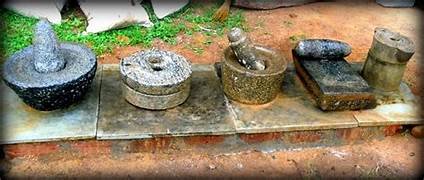
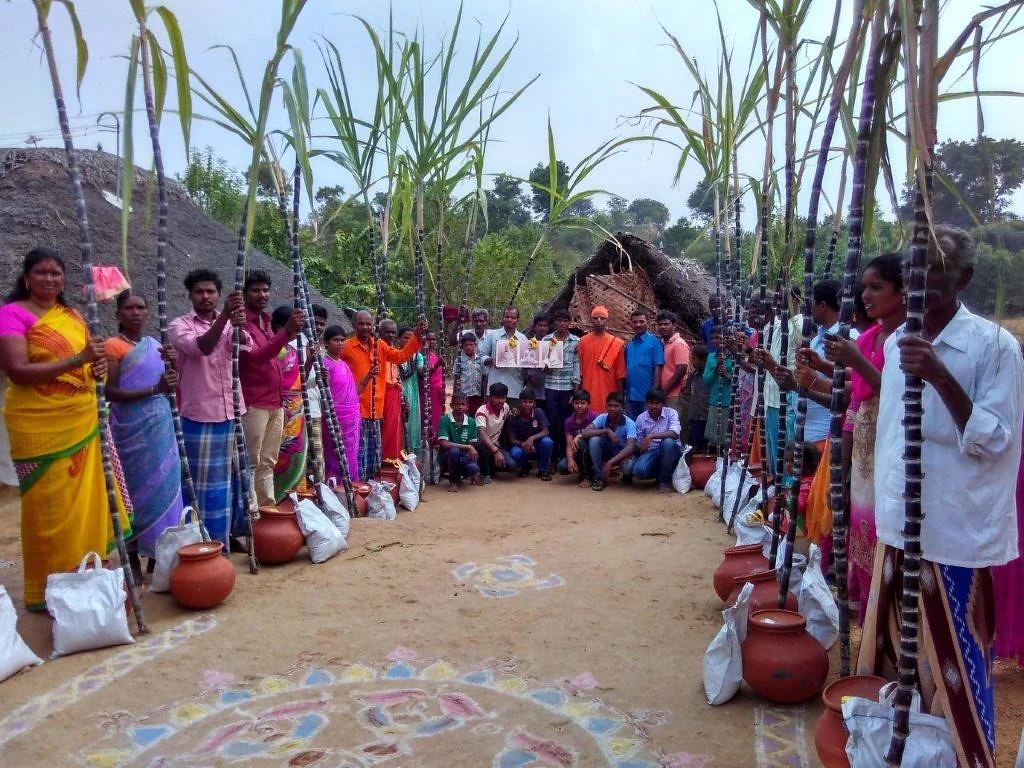

Sustainability in Indian Agriculture
Indian agriculture has historically been eco-friendly and resource-conscious. That means sustainability is included in indian history agriculture.
Organic and Natural Farming
Traditional farming used:
- Cow dung and compost as natural fertilizers
- Neem and herbs as pest control
- Mulching to protect soil
This maintained soil health without chemicals.
Water Conservation Systems
Ancient India created:
- Stepwells (baolis)
- Canals (baolis)
- Canals
- Tank irrigation
- Rainwater harvesting
These systems ensured water sustainability, especially in dry regions.
Crop Diversity and Rotation
Farmers planted:
- Multiple crops
- Seasonal grains
- Traditional seed varieties
This improved soil fertility, protected biodiversity, and reduced crop failure—showing sustainability in Indian agriculture long before modern science.
Community-Based Farming
Shared land, livestock, and tools reduced waste and supported local economies.
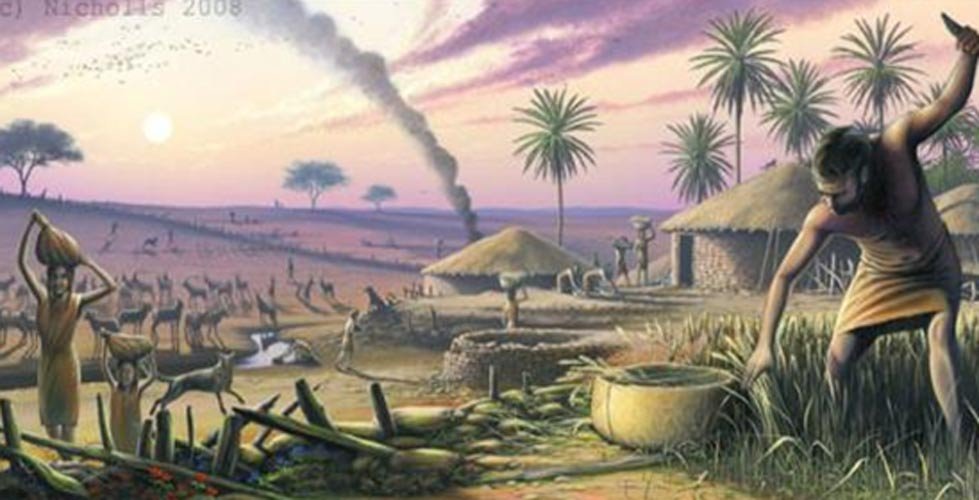
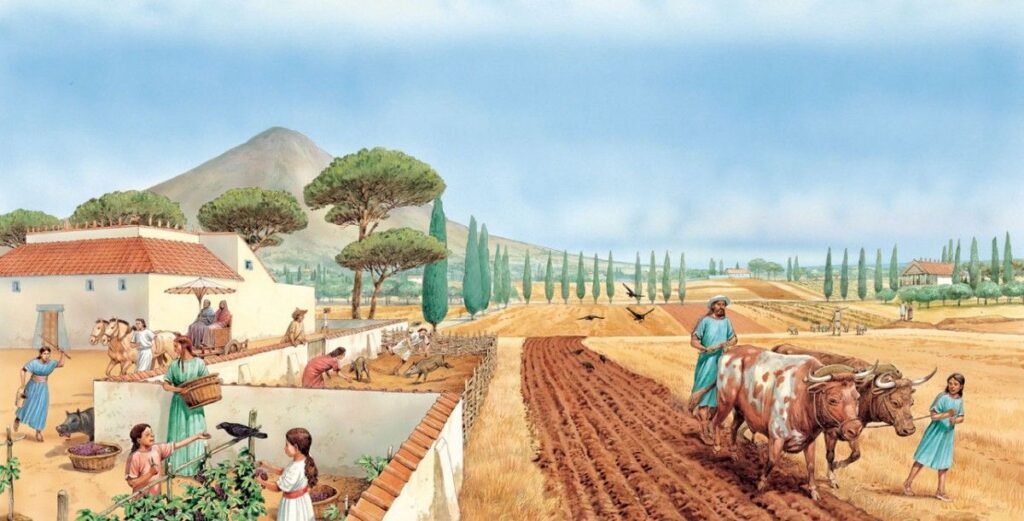
Sustainability is included in Indian History Medicine: Ayurveda
Ayurveda is considered the traditional system of medicine in Indian history.
Ayurveda, India’s ancient medical system, is rooted in natural healing and environmental harmony.
Plant-Based Treatments
Ayurveda uses:
- Herbs
- Roots
- Oils
- Natural minerals
These are renewable resources when grown responsibly.
Preservation of Medicinal Plants
Traditional villages protected herbal forests and sacred groves, ensuring long-term availability of medicinal plants.
Balance and Prevention
Ayurveda focuses on:
- Prevention over cure
- Balanced diet
- Seasonal living
- Mind–body harmony
This reduces dependency on heavy medical intervention and supports sustainable well-being.so sustainability is included in indian history medicine.
Zero Waste Approach
Ayurvedic preparations use natural ingredients and biodegradable packaging like cloth, leaves, and clay.
Traditional Crafts and Sustainability in Indian History
Traditional Indian crafts played a key role in how sustainability was included in Indian history, and they clearly show that sustainability is included in Indian history through everyday practices. For centuries, artisans used natural, biodegradable materials like clay, cotton, jute, bamboo, wood, and metal to create clothing, tools, household items, and art. These handcrafted products required minimal energy, produced very little waste, and supported local communities through small-scale, eco-friendly production. Instead of mass manufacturing, items were repaired, reused, and passed down through generations, reflecting a natural circular economy. By relying on local resources and skilled craftsmanship, ancient India proved that creativity, livelihood, and environmental responsibility could exist together—making traditional crafts a powerful example of sustainable living.
Sustainability is included in Indian History of Education
Indian learning systems were designed to build responsibility, discipline, and resource awareness. Gurukul System
Students lived close to nature:
- Open-air learning
- Minimal possessions
- Shared resources
- Self-sufficiency practices
This taught respect for nature and simple living.

Knowledge of Environment
Ancient texts included:
- Botany (plants and herbs)
- Agriculture and animal care
- Astronomy and seasons
Education wasn’t just academic—it taught sustainable living.
Teacher–Student Responsibility
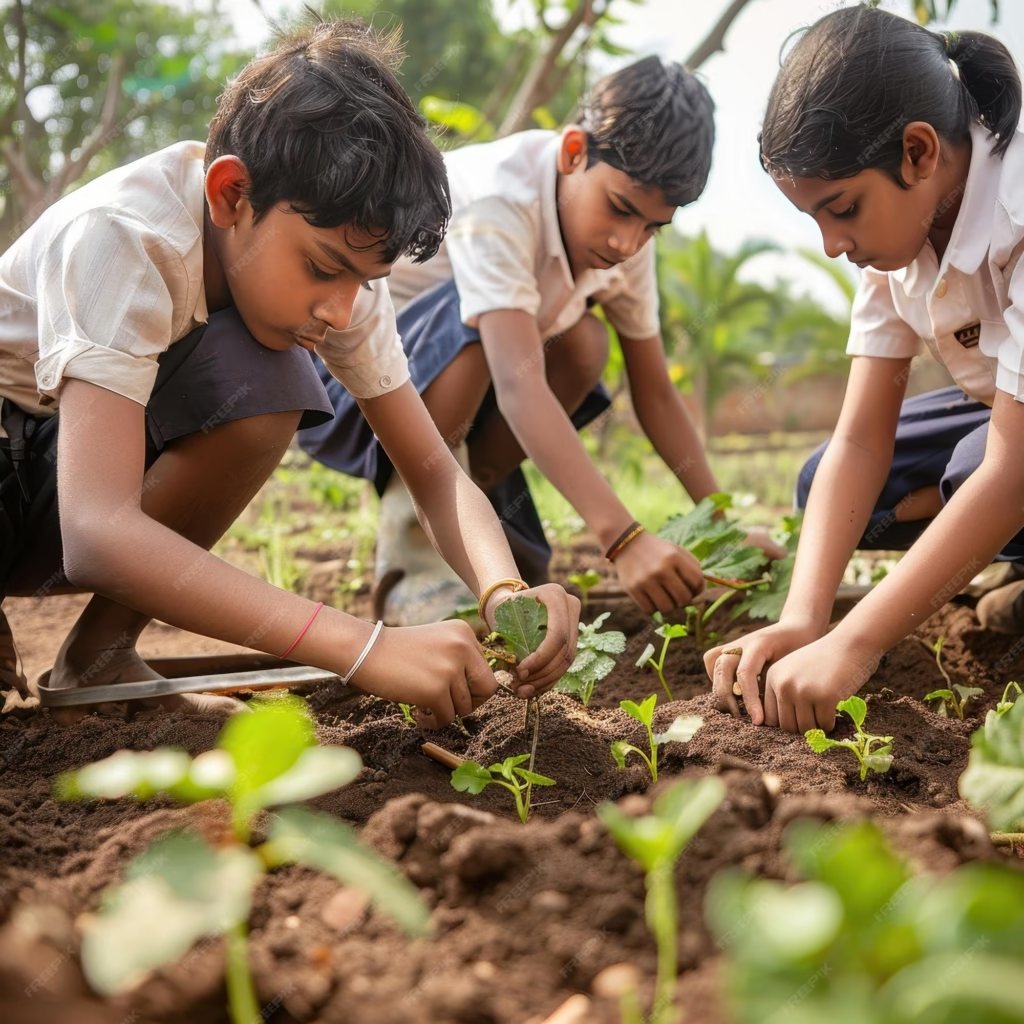
Students helped in:
- Growing food
- Collecting water
- Caring for the environment
Learning was practical and eco-concious .Education shaped environmentally responsible citizens.
Conclusion
From agriculture to culture, from architecture to festivals, sustainability is included in Indian history at every level of life. It was not optional—it was a way of living in harmony with nature.