
Eco-friendly products are environmentally friendly products. Items that are intended to be kind to the environment are referred to as eco-friendly products. They cause less harm during making, using, and throwing away. Simply put, they are environmentally friendly goods. They help keep the earth cleaner, conserve resources, and lower pollution. They protect the environment instead of putting pressure on it.
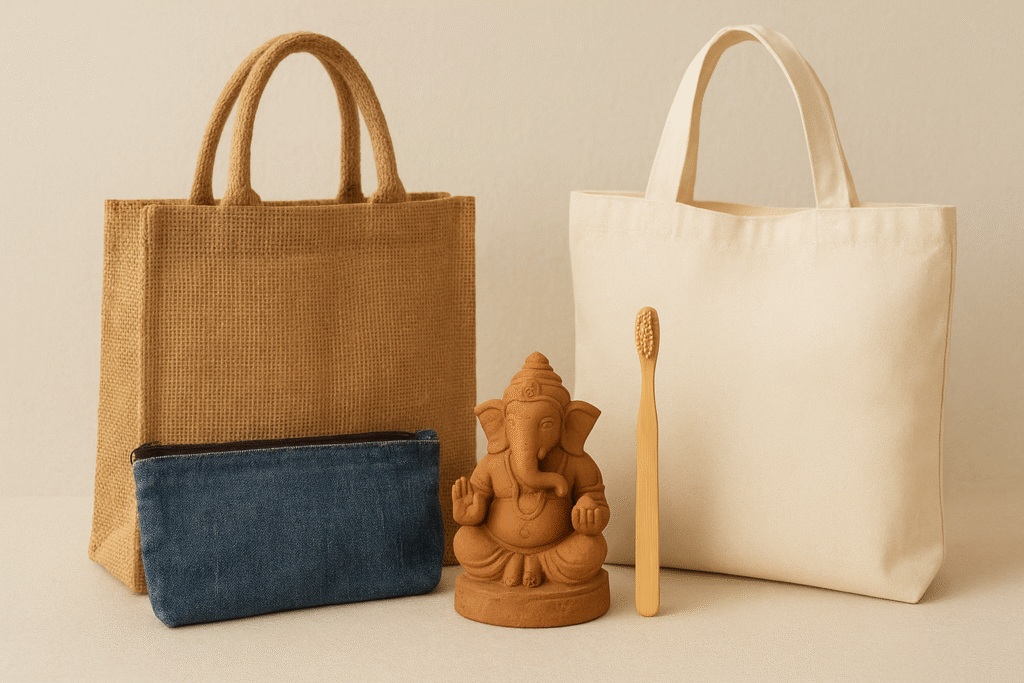
Why are eco-friendly products not harming the enviroment?
Because they are made with materials and processes that produce very little waste or pollution, eco-friendly products do not harm the environment. Instead of taking too much from the environment, think of them as being kind to it.
The basic concept of eco-friendly products are as follows
• Instead of wasting years in landfills, they use natural or recycled materials that break down in a safe manner.
• They avoid chemicals or plastics that pollute soil, water, and air.
• They are designed to last longer, so we don’t keep throwing things away and buying more.
• Many eco-friendly products are biodegradable or reusable, which reduces overall waste.
Why eco-friendly products cost more?
Eco-friendly products feel pricey sometimes, but there are a few honest reasons behind it:
• They use materials that are more expensive than cheap plastics, such as natural, safe, or recycled materials.
• Rather than being mass-produced in large factories, many are handmade or made in small quantities.
• Cleaner procedures, improved labor practices, and greater attention are all necessary for sustainable production.
• Because the brands don’t use cheap materials or chemicals, their products endure longer.
• The cost is further increased by certification and quality testing for eco-friendly requirements.
Because you’re paying for long-lasting quality, fair labor, and safer materials instead of rapid, inexpensive, hazardous manufacture, the price is greater.

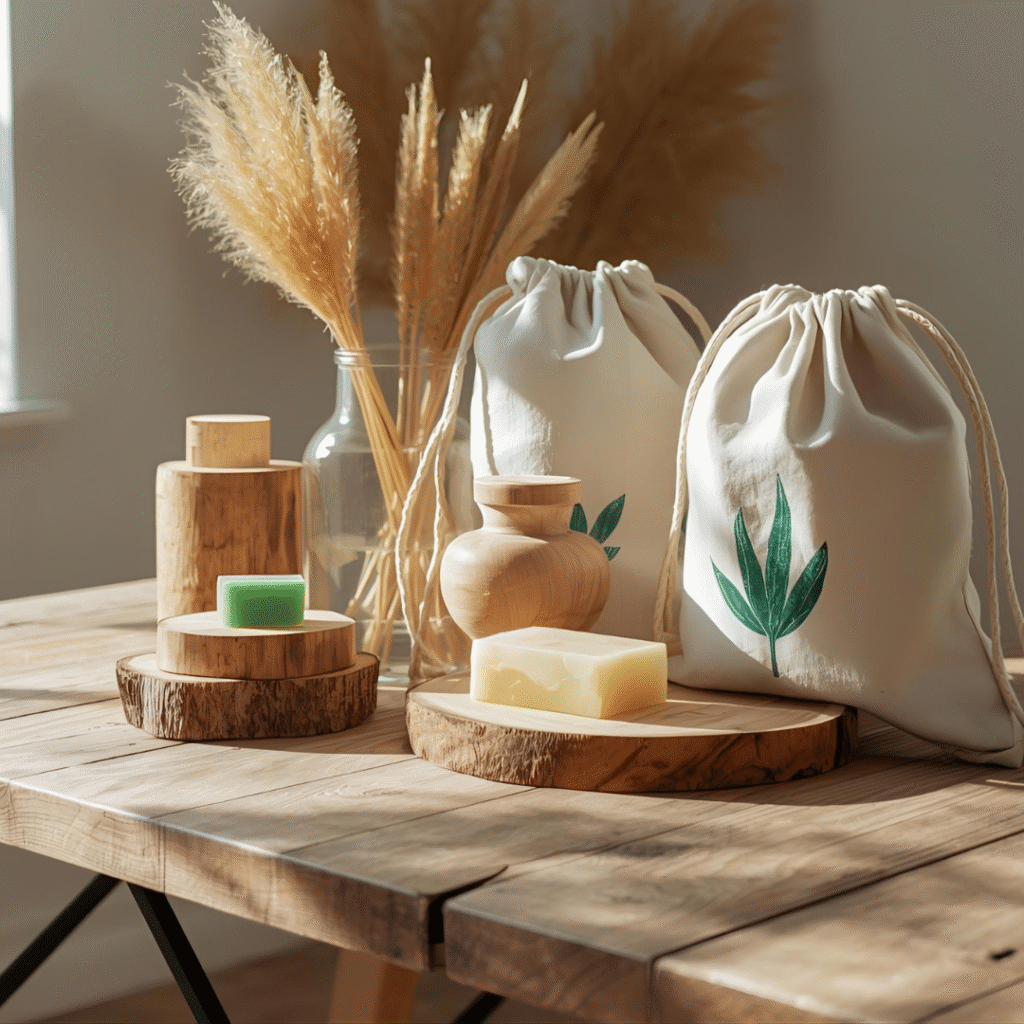
How to Shop for Real Eco-Friendly Products
The word “eco-friendly” is everywhere , from packaging to clothing tags. But not all products labeled as green are genuinely sustainable. Some brands use greenwashing, a marketing trick to appear eco-conscious without real impact.
Check the Materials
Always read the label or product description carefully.
- Choose items made from natural, biodegradable, or recycled materials like jute, cotton, bamboo, or upcycled fabrics.
- Avoid products made from plastic, synthetic fibers, or chemical-based coatings.
Avoid Over-Packaging
Even a sustainable product loses value if it comes wrapped in layers of plastic.
Choose items that use minimal or recyclable packaging, such as paper, cloth, or cardboard.
Buy Only What You Need
Sustainability starts with mindful shopping. Before buying, ask yourself:
“Do I really need this?”
Purchasing fewer, high-quality items reduces waste and supports a zero-waste lifestyle.
Watch for Certifications and Labels
Some trustworthy eco-certifications include:
- GOTS (Global Organic Textile Standard) Eco-Friendly certification
- Fair Trade Certified
- FSC (Forest Stewardship Council)
These labels show that the product meets genuine sustainability standards.
conclusion for eco-friendly products:
Eco-friendly products serve as a reminder that even little decisions can have a significant impact. We reduce waste, conserve natural resources, and promote a healthy planet by selecting products made from natural, sustainable, or recycled materials. These goods promote conscious living in addition to being environmentally beneficial. Every environmentally beneficial decision contributes to everyone’s future being cleaner and greener.